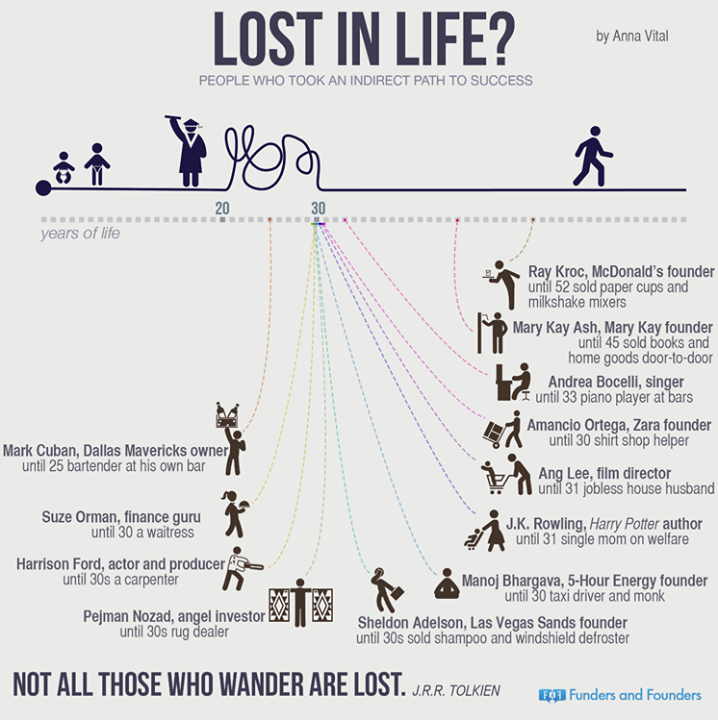
Monday Motivation!
Reply
30 years since the famine in Ethiopia
Oh my God.
Interesting article on how the standards have changed and the ethics developed in reporting
This week marks the 30 year anniversary of Michael Buerk and Mohammed Amin’s coverage of the 1984 famine in Ethiopia. The report was first broadcast by the BBC on the 23rd of October, “A day that shook the world”, before spreading across the globe. The footage was shot in Korem, a small town, 100km to the North of Woldia, my hometown.
I had never seen the report until my sister shared it with me on the anniversary this week. I watched, stunned, as a scene of almost incomprehensible grief and human suffering played out on the screen before me; a man-made plague of biblical proportions, in the twentieth century. My response was visceral; my skin seemed to crawl.
***Please note, this footage was shot in 1984 and does not conform to Dóchas’ Code of Conduct on Images and Messages 2007. People may find it distressing***
https://www.youtube.com/watch?v=XYOj_6OYuJc
I’m sure most…
View original post 1,042 more words
As Anne-Marie says: feminism – ‘it boils down to this: the belief that men and women should have equal rights and opportunities”’
Some light-hearted thoughts on feminsim I wrote for the Mayo News a few weeks back.
Readers of my online rantings will know that on my twitter biography, I describe myself as follows: “Trying to figure it all out, secretly hoping I never succeed. Researcher, feminist, dreamer, Mayo GAA nut, Mayo Club admin team, Mayo News columnist.” That pretty much sums up most of my existence in less than 140 characters, which is actually a bit alarming when you think about it.
But regardless of my Mayo and GAA allegiances, it’s the “feminist” part of my bio that seems to provoke the most reactions. Recently, before a game in Croke Park, the real world collided with the virtual and I was approached in by a beaming jersey-clad gentleman with an outstretched hand. “Howya Anne-Marie”, he said. “You probably don’t know me, but I follow you on twitter. I’m @MayoMan5000.” I’m always…
View original post 585 more words
This year we decided to take on a new project in school – adapting Google Apps for Education.
Wha?
It works like this. Google offer schools the facility to have a corporate email structure with cloud storage, shared calendars, internal websites and other bits & pieces. And, if you’re a school, the cost is free. Obviously, this is a big plus for any school – I don’t know of any that complain of having too many resources.
And what’s on offer?
So. How do you actually tap into this resource?
If you go to this link, you can apply to Google to take on their Apps for Education suite.
Step 1 was to get registered. This can be done using the existing domain for the school. Google can then move your email to a gmail account. The alternative is to create a new domain, but you need to jump through an extra hoop or two while Google verifies that you are acting on behalf of your school.
Step 2 is to get accounts set up within the school. If you have a lot of students then what you do is to get the names of the students on a CSV file and allocate them all email identities and passwords. This does take a bit of time – but that’s nothing compared to step 3
Step 3: take students to the computer room and get them all to open up their accounts. this is best described as bedlam. Chaos is a good alternative word at this point.
Step 4: get students to accomplish basic tasks such as opening drive, creating a document, or uploading files and sending an email.
Step 5: email the group you just signed up giving them instructions on how to add their account to their phone/tablet. (they like this bit)
A few teachers have started using the Classroom app, and seem to be happy with the ability to email notes and assignments to groups of students.
It’s early days yet, but there’s a lot of potential.
There’s a lot o resources out there from people who are a lot more experienced than I – but hopefully this will help someone get a start!
If you’re anything like me, you love Derren Brown. He’s a bit of a genius, illusionist, mentalist, clever and challenging.
He’s also a bit of a trickster.
He has one particular move I like, he gets the unsuspecting victim to willingly hand over his wallet. Just like this:
Which brings me to this RTE headline yesterday. On the face of it, things look great. 1,700 new teachers and SNAs (Special Needs Assistants) to be employed in Irish Schools. All good, yes?
Well, as always, it’s a little more complicated. While the headline does grab your attention, the details of the article take a lot of the shine away:
That’s the new cuts.
There’s still no reverse on the reprehensible decision to remove guidance counsellors from secondary schools. No decision to restore middle management in schools.
For years now the budget for education has been cut. The new posts in the headline don’t do anything to change the pupil/teacher ratio – it only maintains the current crazy level. Schools have been forced to cut subjects, options, programmes and supports for students.
These are not cuts in education. They are attacks on education.
Minister Joan Burton was on Matt Cooper’s show a few weeks ago and said something like ‘Austerity is over’.
Austerity is not over. Certainly not if you’re in education. And just like Derren Brown, the government has managed to dip into the pocket of the education sector once more.
I’m conflicted.
The Teaching Council is the body that is charged with overseeing the profession of teaching in Ireland. So, you would imagine that I would be all in favour of this. After all, I’m a School Chaplain. I spend my working days in schools and I witness the professionalism of my colleagues on a daily basis. I see their hard work, dedication, inspiration. I should be glad of anything that promotes that professionalism and recognises the hard work of so many teachers.
The Teaching Council is tasked with protecting the integrity of teaching. It regulates “the teaching profession and promotes professional standards in teaching”. Why then are so many of us angry with it?
My first taste of disillusionment with the Teaching Council came a few years ago, when the attacks on education (AKA the austerity budgets) were slashing resources and pay across the sector. Many teachers wrote to the council asking them to speak up on their behalf. In response we got the response that the council was all for protecting standards, yes. But had no role in budget discussions. I never kept a copy of the letter, but I’d love to be able to show it to you.
As the past few years have advanced, the Teaching Council has flexed its muscles more and more.
First, teachers who didn’t pay the €65 per annum registration would not be paid by the Department of Education & Skills. This became an open threat with this press release stating that over 1,000 teachers could lose their pay.
Then we hear that the council has the power to investigate teachers. Have our registration fees added up to become a war chest? On what basis would teachers be investigated?
Most recently, the idea was proposed that teachers would have to engage in CPD in order to maintain their registration. Admittedly CPD is very, very important. But when technology changes so fast, and there are so many different ways in which to learn, who decides what is valid CPD, and who certifies it? My interaction on Monday evenings #edchatie over on the tweet machine is something that is incredibly valuable. I have learnt a lot by looking at what so, so many other teachers do.
My fears are not new, and they are not unique to me. Have a look here and here to see others’ concerns regarding the Teaching Council.
One problem is that many teachers have no faith in the Teaching Council, or see it as irrelevant. If you do a twitter search for #teaching council you get one screen of results. One screen for a body that has been in existence since March 2006.
So what is to be done?
Parents, think twice before posting to much about your kids online
This is worth a read

 A couple of months ago my son, who is six years old, performed a solo routine at his school talent competition. I couldn’t attend but my wife filmed it on her mobile phone so I could watch it later. She also put it on Facebook for friends and relatives to see. Unfortunately, we hadn’t given any thought to the privacy settings and it was ‘shared’ amongst people we didn’t know. When we became aware of this we quickly changed the permissions and forgot all about it.
However, one morning, a few days later, we received a text from a friend telling us that the video was ‘trending’ on Buzzfeed and, as we hastily conducted some Google searches, it became apparent that we had a problem. There were bizarre stories about it on sites such as Huffington Post and Mail Online and these were being replicated around the world. Additionally, the…
View original post 1,208 more words
Last Friday night we had a retirement party for a number of the staff in my school. We had a great time, and I’m not going putting up photos here!
Except for this one.
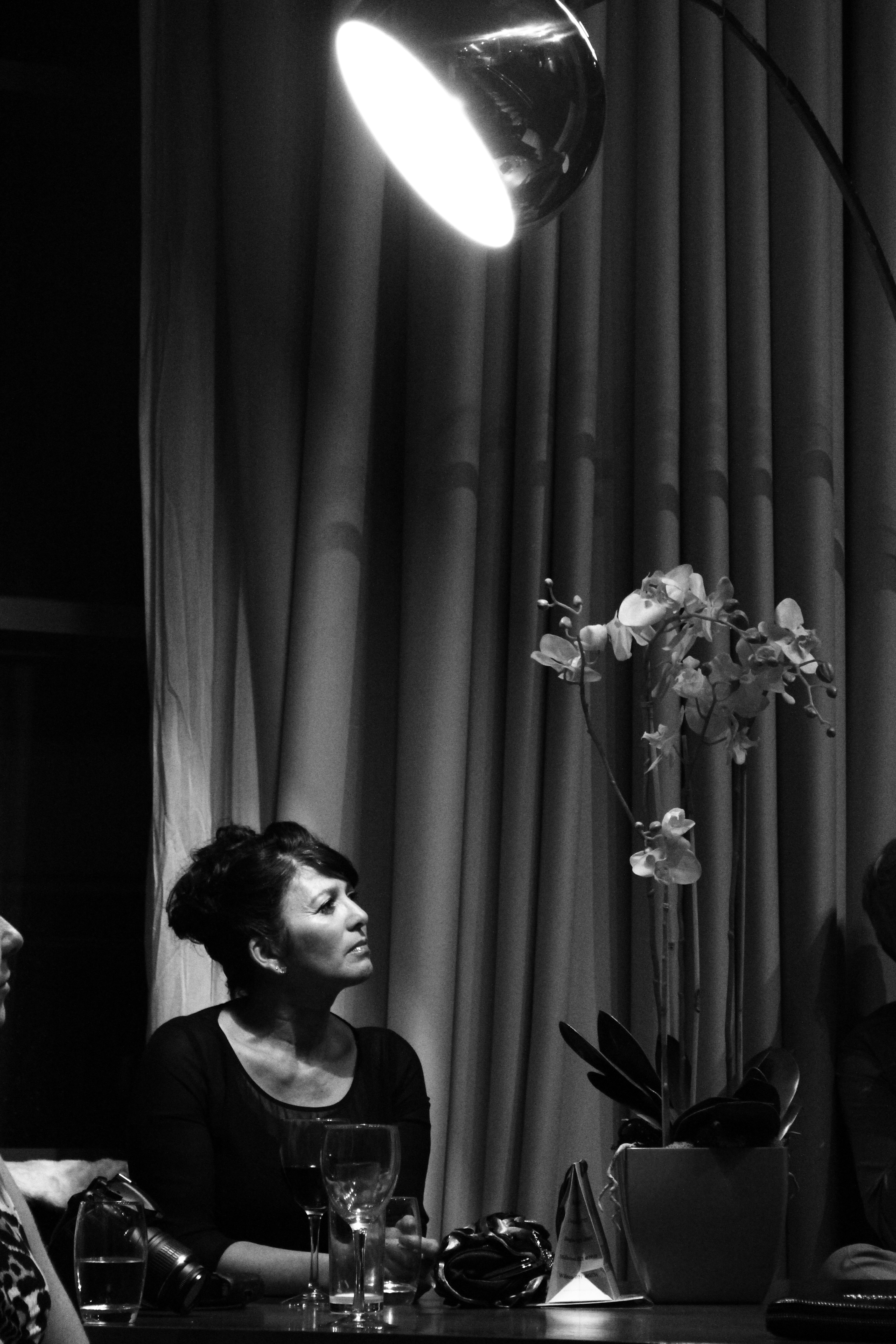
This is Soraya, one of our SNAs. She kindly gave permission to publish this photo.

This gallery contains 3 photos.
I happened to be at a function on Friday in Cork and had my camera with me. The rain added a bit to the photos I think Cork City Hall Looking towards the quays The City Hall again
Ann Marie says it beautifully. Let those of us who are healthy be brave enough to reach out to those who need help, support, or a listening ear
Wednesday 10th September was World Suicide Prevention Day. There are now lots of days and weeks designated for mental health awareness, so much so that it’s starting to become a bit confusing, but I reckon there’s probably never a bad time to be reminded to mind your mind.Next Friday October 10th is World Mental Health Day. With these two dates in mind, I wrote this column for the Mayo News on Tuesday 16th September.
Last Wednesday was World Suicide Prevention Day, a global day designated for raising awareness of suicide and suicide prevention. Traditionally shrouded in silence and shame, the stigma with which suicide was traditionally regarded in Ireland is being slowly cast aside. But as welcome as that is, it makes the consequences no less devastating, and indeed it is an occurrence with which many of us are all too painfully familiar. Recent statistics from the World Health Organisation…
View original post 658 more words




 John Hurley